Sustainability & Suits – WIREC 2008

The first Washington International Renewable Energy Conference was projected to be the “largest business to business and business to government conference and exposition ever held on renewable energy in the US.  It will be global in scope, hosting exhibitors, speaker and delegates from more than 70+ countries from around the world.”

And it was big, though not crowded.  In comparison to the hustle and bustle of the past few DC Green Festivals, there was no problem snaking through the aisles at WIREC.  The one aspect that kept the show from becoming an industry dog and pony show were the exhibits from governments that have put concrete sustainability policy into effect, like Germany (huge commitment to PV energy) and Sweden (carbon neutral by 2020).  The Swedish program is probably the most ambitious in the world, truly embracing the idea of waste=food through the program they’ve tagged Symbiocity.

With all the suits running around, one could be forgiven for confusing the green in Green Tech with dollar signs rather than sustainable technologies.  Nothing wrong with making money, (as an ideal it’s a reward for sharing your divinely inspired gifts with all your fellow humans) and the proliferation of three pieces is a definite indicator that the old guard finally sees the profit potential their financial models demand.  There is money to be made, and this crowd knows how to make it.

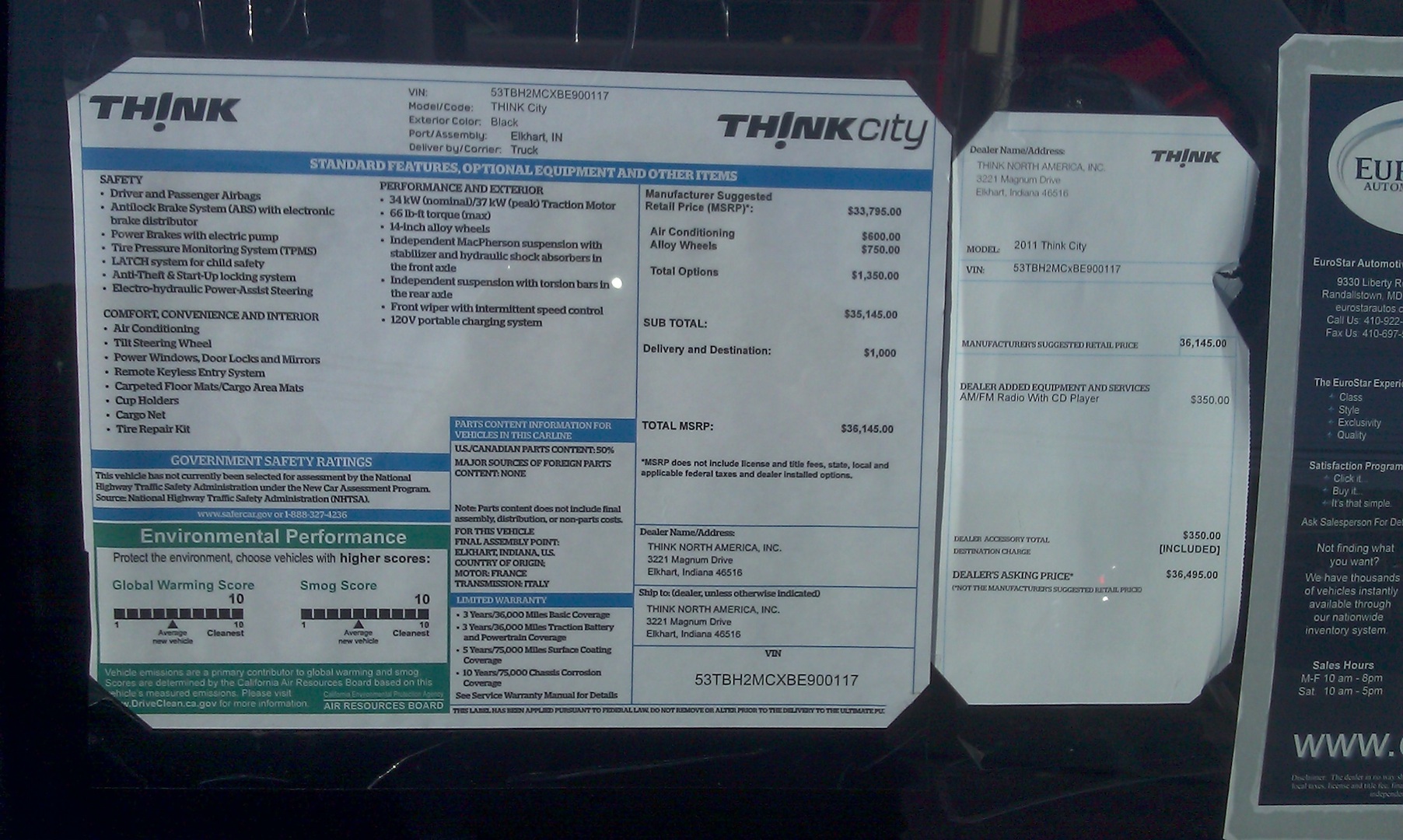
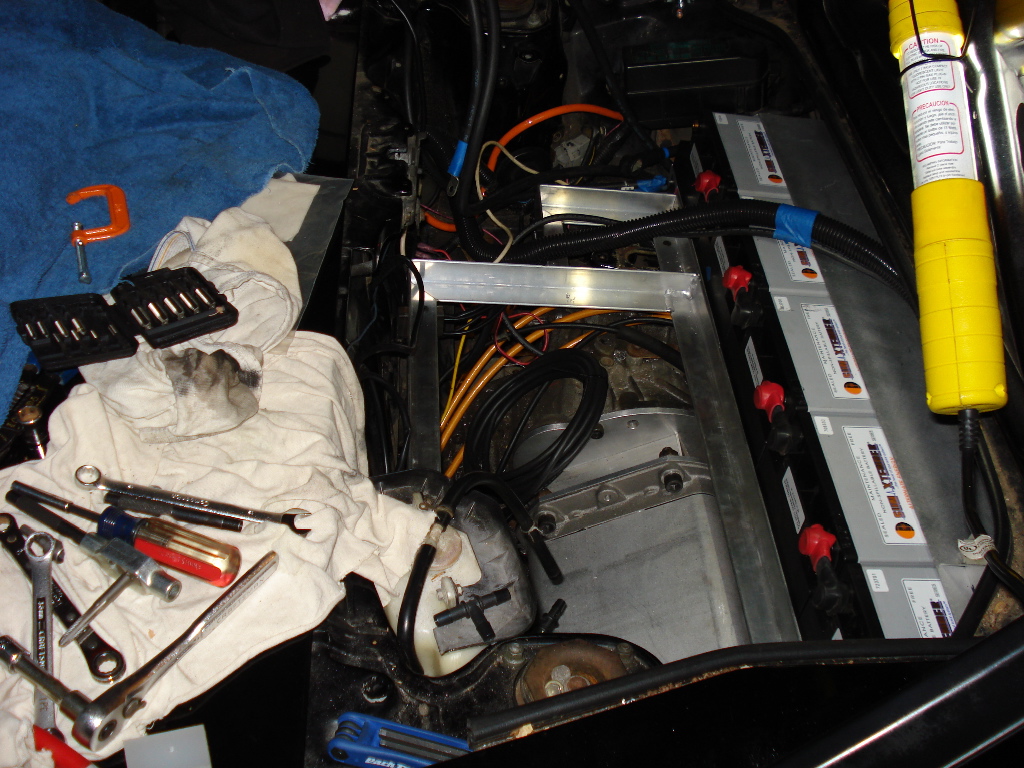
It came as a shock, then, that not all companies could see their product’s potential.  A123 Systems is on the verge of commercializing their PHEV conversion kit that more than doubles the mileage of the Prius.  Their nanophospate batteries are a favorite of hobbyists worldwide, who harvest them from DeWalt battery packs and use them in  all kind of applications.  This should excite the A123 folks; what company wouldn’t want a worldwide, open-source, enthusiastic development team that’s building brand recognition, loves their product and is finding new applications (hence new sources of revenue) at no cost to them.  Unfortunately, these enthusiasts may be unhappy to note that A123, at least as stated through their rep at the show, doesn’t much care for your efforts and sees efforts to use their product outside of their purview as a liability.  Not to mention that they’re also uninterested in selling their modules, as used in their PHEV conversion or as supplied to Think, separately to EV converters.  I could understand if they were worried about ensuring supply for their major buyers, but that was not the issue.  They have to plans to make the modules available to EV converters.

What would have happened if, at the turn of the last century, oil magnates like Getty or Rockefeller decided that they really didn’t want to sell petroleum for use in the new-fangled automobile, just for home heating.  Or maybe for large cars and ships, but not for motorcycles.  Not to mention if you’d like to research how to use gasoline to make fertilizer or a strange material called plastics, would their response be “that’s a little outside of what we’re interested in getting into at the moment.”

All those barons were interested in was making money selling their product to whomever wanted to buy it.  That’s what made them good suits and is the attitude needed to  push sustainable technologies to fore.  It’s perplexing to meet a suit that doesn’t quite understand that.

I’m willing to give A123 the benefit of the doubt considering they’ve sponsored the Killacycle and sell a development kit through their website to anyone who wants one.  It may have been a rep on a bad day and hopefully not a portend of a shift in corporate strategy.  They have an excellent product and hopefully they will eventually release it to every willing buyer.

Posted in EVs, Impressions, Miscellanea | Comments Off on Sustainability & Suits – WIREC 2008

Registering an Electric Conversion in Maryland

One of the sticking points people have when deciding whether to do a conversion is worrying about if they’ll even be able to tag it upon completion. Will an electric vehicle conversion pass state inspection?

If you just bought your conversion candidate, the quick way around this issue is to get the car inspected before it’s converted.  Once it’s street legal in the state you can carry out your conversion without getting it re-inspected upon completion.  When you receive your emission test notice in the mail, simply check the box on the back that indicates your car is electric drive.

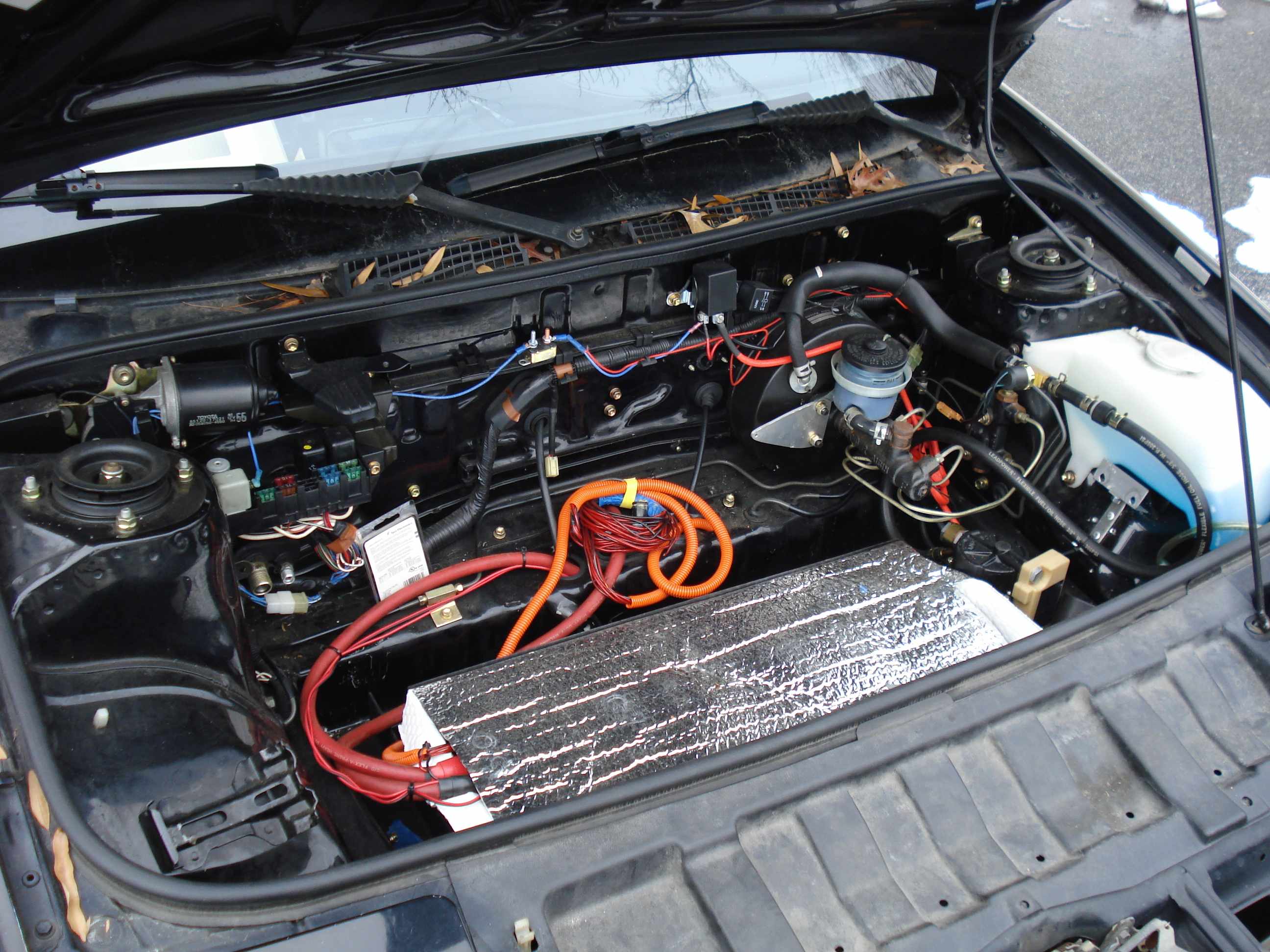
Of course, with the MR2 everything was done the hard way.  An inoperable car was bought out of state and then converted, meaning it had to pass inspection as an electric vehicle.  The process actually went well with only a few bumps.  The first garage I took it to declined to do the inspection.  Maybe I should have given them warning that I was bringing in a conversion, but I did put in a call to the MD State Police Automotive Safety Enforcement Division (ASED) to confirm that the only special consideration in inspecting an EV conversion was to cross through the inapplicable areas on the inspection form, like those pertaining to emission equipment and the exhaust system.  Feeling a bit more hopeful, I got on the phone and after explaining the situation and giving them the number to the appropriate officer at ADEP, I found another station that was willing to do the job.

I spent a few hours the afternoon of the inspection talking with Scott the mechanic as he performed the inspection.  He was very curious about all the aspects of the MR2 as he enjoyed modifying cars himself but never considered turning one into an EV.  Unfortunately, the rotors were underthickness but after spending a Sunday afternoon doing a brake job, the inspection certificate was finally awarded.

So at least in Maryland, red tape isn’t a disincentive to performing your own electric vehicle conversion. 

Posted in EVs, Miscellanea | Comments Off on Registering an Electric Conversion in Maryland

Resurrection through Conversion

A few people have asked my why did I bother using a nearly 20 year old car as the basis for a relatively expensive conversion.  A good question with several answers.

Even if tomorrow every new car for sale was electric, there would still be about 100 million gas cars out there with years of useful life left in them.  It wouldn’t make much sense to trash perfectly good machinery, even if it is gas powered.

That’s where the beauty of a conversion shines through.  A good, rust-free body is kept in service but cleaned up with a battery electric drivetrain, saving the pollution and expense that comes with building an all-new electric car.

Applied to the MR2, with its fatal rod knock and age this car would likely have been sent to the crusher or rusted away unused in a field without the new lease on life the electric powertrain gave it.  It would have been a shame if one more example of one of the all-time great sports cars for the commoner were destroyed, a fate that has befallen many a Fiat X1/9, Mazda RX-7, or any British car.

Putting an electric powertrain in an old sports car is a great way to enjoy their simplicity and fun without the maintenance difficulties and pollution that old gassers inevitably produce.

That’s the big picture.  The other factors in the MR2’s favor are the fact that it’s already a small and efficient vehicle so it would make the most of the batteries, I’ve liked this model for years and tis particular example came up for sale at just the right time, price and condition.

Posted in EVs | Comments Off on Resurrection through Conversion